Home-friendly Spider Control Wasaga Beach provides eco-friendly spider prevention and removal in homes
Home-friendly Spider Control Wasaga Beach provides eco-friendly spider prevention and removal in homes
Blog Article
Effective Spider Control Wasaga Beach services do not need to rely on broad chemical spraying. A better approach combines spider removal, insect reduction, moisture visite site control, and careful sealing. This method protects your home while limiting exposure for children, pets, and the people who live there.
Spiders often appear because a home offers food, shelter, and a way inside. Removing spider webs helps, but long-term control come from addressing the conditions that attract them. Eco-friendly pest control focuses on useful changes, targeted treatment, and regular checks.
Mosquito Man is one business name homeowners may encounter when reviewing professional pest control options. Ask any provider how it handles products, re-entry times, pet safety, and follow-up visits before work begins.
Why Spiders Enter Homes
Spiders enter homes for three main reasons: food, shelter, and suitable conditions. Insects provide the food source. Basements, garages, sheds, crawl spaces, and quiet corners provide shelter. Moisture can make these areas more appealing to both spiders and the insects they feed on.
Small entry points also make access easy. Spiders may move through gaps around doors, windows, utility lines, vents, foundations, and siding. A gap only a few millimetres wide can allow certain pests to pass. Damaged screens and loose door sweeps create the same problem.
Outdoor lighting can increase insect activity around doors and windows. Those insects then attract spiders to the same areas. A porch light that stays on all night may create a steady food supply near an entrance.
Home pest management works best when you correct the cause, not just the visible spider. Look for damp areas, leaking taps, condensation, stored materials, and dense vegetation touching the building. Reducing insect activity often reduces spider activity as well.

Which Spiders Are Common in Wasaga Beach?
Indoor spiders commonly make untidy webs in room corners, around windows, behind furniture, and in garages. They usually keep away from people and remain close to areas where small insects gather. Their presence often points to an available food source rather than a direct threat.
Long-legged cellar spiders have long, thin legs and often live in basements, crawl spaces, utility rooms, and other quiet areas. Their loose spider webs can spread quickly when the space remains undisturbed. Regular web removal helps discourage continued use of these locations.
Orb-weaver spiders create large, circular webs outdoors. You may see them near gardens, porches, fences, and exterior lights. Their webs may look dramatic, but these spiders generally help limit flying insects around the home.
Ground-hunting wolf spiders do not usually build webs to catch prey. They hunt on the ground and may enter through doors, cracks, or gaps at floor level. They can look large and alarming, but they typically keep their distance and prefer dark, sheltered spaces.
Proper spider identification matters. A photograph can help, but lighting, size, markings, and location all affect identification. Do not handle an unknown spider. Use a container or take a clear photo from a safe distance if identification is needed.
Are Spiders in Wasaga Beach Dangerous?
Many spiders found around homes are harmless to people. They usually bite only when pressed against skin or touched. Spider bites are uncommon compared with the number of spiders people notice indoors.
Some spiders are venomous, but venomous does not automatically mean harmful to your health. The effect depends on the species, the amount of venom, and the person’s health. Do not rely on colour alone to recognize a spider.
Medical symptoms after a suspected bite may include growing pain, swelling, redness, blistering, muscle cramps, breathing difficulty, dizziness, or a spreading reaction. Seek medical advice promptly if symptoms are severe, worsening, or unusual. Contact emergency services for breathing problems or signs of a serious allergic reaction.
Spider identification can be difficult after a bite because many skin reactions look similar. If it is safe, keep a picture of the spider. Do not risk another bite by trying to catch it with your hands.
Professional advice can help when you see an unfamiliar spider, repeated bites, or a large number of spiders in living areas. A qualified technician can check the property and recommend a measured response rather than treating every visible insect with a broad spray.
Eco-Friendly Spider Management Methods
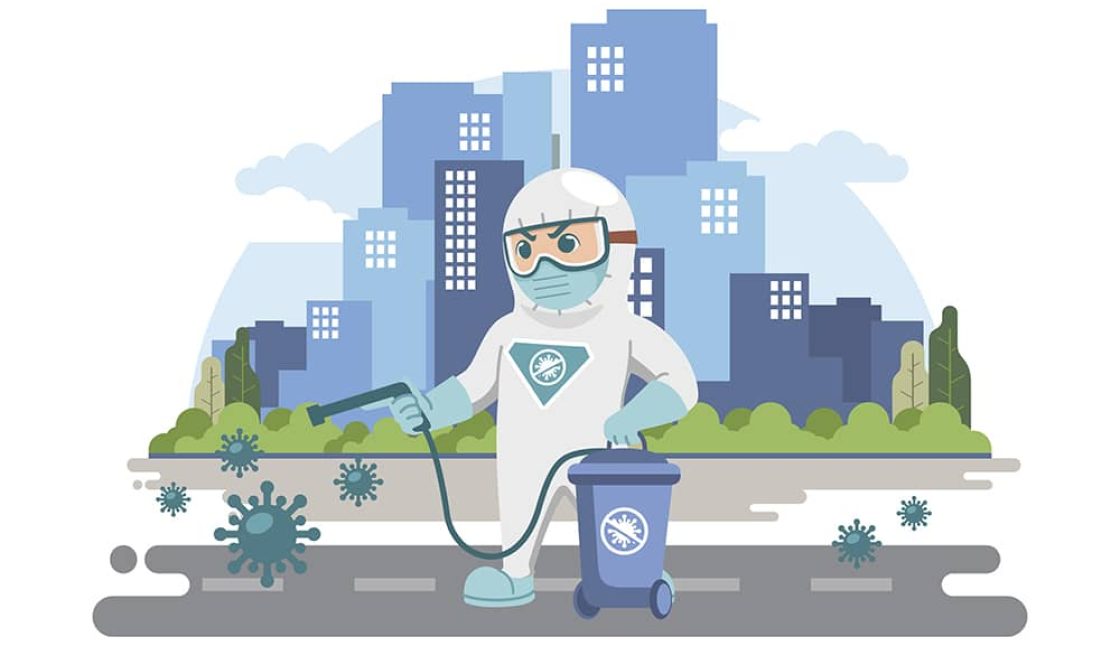
Environmentally friendly spider removal begins with physical removal and exclusion. Vacuum removal takes away adult spiders, spider webs, and some egg sacs without leaving product residue on treated surfaces. Removing webs also removes the structure spiders use to catch insects.
Entry prevention closes the routes spiders use to enter. This may include fixing screens, sealing gaps, upgrading door sweeps, and caulking openings around pipes and cables. These actions often provide longer-term value than repeated surface spraying.
Low-toxicity treatments can help when physical measures do not control the problem. A technician should apply products only where needed and follow the label. Targeted treatment reduces unnecessary contact with treated areas.
A good service uses integrated pest management. This process combines inspection, identification, sanitation, exclusion, monitoring, and limited treatment. The goal is to reduce pest pressure while using the least amount of product needed for the situation.
Physical Removal and Web Management
Use a vacuum cleaner with a hose attachment to remove spiders from corners, ceilings, window frames, and storage areas. Empty the vacuum outdoors soon after use if possible. This prevents surviving spiders or egg sacs from remaining inside the machine.
Remove spider webs from eaves, porch ceilings, basement joists, and garage corners with a duster or extension pole. Repeat the task every few days during an active period. Consistent web removal makes the space less suitable for continued web building.
Sticky traps can monitor movement along walls, behind appliances, and near entry points. Place them where children and pets cannot reach them. Traps work as monitoring tools, not as a substitute for sealing gaps or reducing insects.
Egg sacs require extra care. Some sacs contain many young spiders. Vacuum them carefully or remove them with a disposable tool. Do not crush an egg sac indoors if you can avoid it, since this may release spiderlings into the room.
Record a log of where you spot spiders and webs. A simple note can highlight patterns, such as increased activity after rain, around a particular window, or near stored firewood. That information helps guide spider prevention.
Focused, Pet-Safe Pest Treatments
Integrated pest management starts with a site assessment. The technician should recognize the spider, track insect activity, check moisture, and inspect likely entry points. Treatment should address the problem rather than cover every room by default.
Botanical products may be part of a treatment plan, but natural does not mean risk-free. Some plant-based ingredients can bother skin, affect breathing, or harm pets if misapplied. Ask for the product name, application area, drying time, and ventilation instructions.
Crack-and-crevice treatment places a small amount of product inside gaps where pests hide. This approach can lower contact with open surfaces. It also works best after cleaning and sealing have limited the conditions that support spiders.
Pet safety calls for more than removing a pet from the room during application. Follow the label instructions for re-entry, food and water bowls, bedding, aquariums, and treated surfaces. Birds, fish, cats, dogs, and small animals can have varying sensitivities.
Child-safe treatment also depends on correct application and storage. Children should stay away from treated areas until the product is fully dry and the label permits re-entry. Never transfer a pest product to an unmarked container.
Steps to Reduce Spiders in Your Home
Focus first on the building envelope. Install or repair weatherstripping around exterior doors. Make sure the door closes tightly and that the sweep reaches the floor. Replace damaged window screens and ensure the frames sit firmly in place.
Use caulking to fill cracks and gaps around window frames, baseboards, vents, pipes, and utility openings. Inspect carefully the foundation and areas where different building materials meet. Exclusion methods work best when you inspect all sides of the home.
Reduce moisture in basements, bathrooms, kitchens, and crawl spaces. Repair leaks, improve air movement, clean gutters, and use a dehumidifier where needed. Moisture control can reduce both spider shelter and the insects that draw in spiders.
Check exterior lighting. Use warm, less attractive bulbs where practical, turn lights off when they are not needed, and position fixtures away from doors. Motion sensors can shorten the length of time lights remain on.
Limit Food Sources and Harbourage
Flying insects are a major food source for many spiders. Keep doors closed, repair screens, clean food spills, and empty indoor rubbish regularly. Reduce standing water and remove organic debris that may support insect activity outdoors.
Remove clutter from basements, garages, attics, and storage rooms. Cardboard, unused containers, fabric piles, and loose materials create quiet harbourage. Store items in sealed plastic containers and leave space between stored goods and walls.
Keep firewood raised off the ground and away from exterior walls. Check pieces before bringing them indoors. Wood piles can shelter spiders, insects, and egg sacs, especially when left undisturbed.
Prune outdoor vegetation so branches, vines, and dense plants do not touch the building. Move planters away from doors and windows where possible. Clean leaves and debris from foundation edges, window wells, and porch areas.
Natural spider deterrents may help as a small part of prevention, but they rarely solve a serious problem alone. Strong results usually come from sealing entry points, limiting insects, improving housekeeping, and monitoring activity.
When to Hire a Spider Removal Professional
Call for help when you see a spider infestation rather than an occasional visitor. Warning signs include spiders in several rooms, frequent egg sacs, heavy webbing, repeated activity after cleaning, or insects gathering indoors.
Webs that keep returning suggest that conditions remain favourable. A professional inspection can identify hidden entry points, moisture problems, harborage, and insect sources that are easy to miss during a quick walk-through.
Request a written treatment plan. It should explain the pest identified, areas to be treated, preparation steps, products or methods proposed, safety instructions, and monitoring expectations. A responsible provider should also explain what results you can realistically expect.
Professional pest control is especially useful when household measures have failed, when access areas are difficult to reach, or when a family member has a serious reaction to bites or pest products. The goal should be control with minimal unnecessary exposure.
Pest Spider Treatment Costs and Treatment Schedules
Extermination pricing depends on the size of the property, access, the work required, and the level of infestation. A simple exterior inspection and focused treatment will usually need less time than a property with multiple active areas, many webs, moisture issues, and hard-to-reach openings.
Some companies add an inspection fee. Others include the assessment into the treatment price. Confirm what the fee covers before booking. Ask whether the quote includes removing webs, exterior work, interior treatment, sealing recommendations, and follow-up treatment.
A small infestation may ease after one visit when the main food source and entry points are addressed. A larger spider infestation may need monitoring and more than one service. Existing egg sacs can hatch after the first visit, so activity may not disappear immediately.
Follow-up treatment may be recommended after a set interval or only if monitoring shows ongoing spider activity. Ask what counts as a return visit and whether it carries a 추가 cost. Avoid providers that promise immediate results without inspecting the property.
Site preparation can reduce the visit. Clear access to walls, windows, basements, garages, and storage areas. Remove pet bowls and children’s toys from treatment zones. Follow all instructions about storing food, ventilation, and re-entry.
Questions People Ask
How can I prevent spiders in my Wasaga Beach home?
Seal entry points with sealant, fix window screens, install weatherstripping, limit moisture, and keep clutter away from walls. Lower insect activity by managing rubbish, standing water, food spills, and exterior lighting. Frequently clear spider webs and check storage areas for egg sacs.
Which spiders are common in Wasaga Beach?
Spiders commonly found in homes include house spiders, cellar spiders, orb-weaver spiders, and wolf spiders. House and cellar spiders often live indoors, while orb-weavers usually make webs outdoors. Wolf spiders search for prey on the ground and may enter through gaps near doors or foundations.
Are spiders in Wasaga Beach dangerous?
Most spiders found around homes are not dangerous and stay away from people. Spider bites are uncommon, but you should not handle an unknown spider. Seek medical advice for serious or worsening medical symptoms, including breathing difficulty, spreading swelling, or intense pain.
When is it time to contact a spider control professional?
Book expert assistance when activity is widespread, webs return quickly, egg sacs keep appearing, or household spider prevention has not worked. A professional inspection can find hidden entry points, moisture, insect sources, and harborage. Ask for a detailed treatment plan before work begins.
What is the cost of spider control in Wasaga Beach?
Control costs vary with property size, access, infestation severity, inspection requirements, and treatment methods. Ask whether the quote includes an inspection fee, web removal, interior or exterior service, and follow-up treatment. A site assessment gives a more accurate price than a general estimate.
What attracts spiders to homes near Wasaga Beach?
Spiders are attracted by insects, moisture, shelter, and easy entry points. Outdoor lighting can attract flying insects close to doors and windows. Clutter, firewood, dense outdoor vegetation, damp basements, and unsealed cracks can provide additional harbourage.
How soon can spider infestations be treated?
A technician can often inspect and begin treatment during the initial appointment. Spider activity can drop quickly after spider removal and web cleanup, but total control can take longer when insects, moisture, or egg sacs remain. You may need monitoring and another treatment.
Are spider control treatments safe for pets and children?
Pet-safe pest control and child-safe treatment depend on proper product choice, careful service, and label instructions. Keep pets and children out during service and until the stated re-entry time has passed. Move food, pet bowls, toys, and bedding from treatment areas as directed.
Report this page